How to Combat Window Condensation in Bilopillia: Expert Advice
Residents of Bilopillia often face the problem of window condensation during the colder months. Experts explain this phenomenon as water vapor condensation and offer effective methods to reduce indoor humidity.
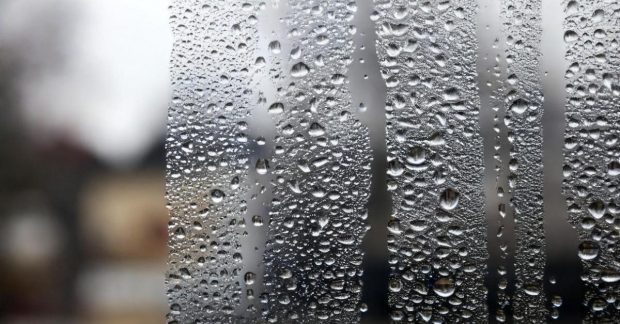 🏙️City
Photo: UNIAN
Key points
- Window condensation is caused by water vapor condensation due to temperature differences.
- High indoor humidity is a key contributing factor.
- Increasing heating does not solve the problem as it does not remove moisture.
- It is recommended to use a hygrometer to monitor humidity.
- Regular ventilation and avoiding excessive humidification are important.
With the onset of the autumn-winter period, many residents of Bilopillia notice that their windows start to fog up, and water droplets appear on the panes. This common phenomenon, known as condensation, occurs when warm indoor air meets cold outdoor air, causing water vapor to turn into a liquid state. The main reasons are significant temperature differences and high humidity.
Causes and Mechanism of Condensation
Experts point out that condensation becomes particularly noticeable when outdoor temperatures drop and heating is turned on indoors. A key role here is played by the so-called “dew point” – the temperature at which air becomes saturated with water vapor. If the air temperature falls below this point, the vapor turns into water droplets. Foggy windows are a clear indicator of elevated indoor humidity.
During colder months, people tend to ventilate rooms less frequently, which contributes to moisture accumulation. It is important to understand that simply increasing heating temperature will not solve the condensation problem, as it only reduces relative humidity but does not remove water vapor from the air.
Effective Methods for Humidity Control
Specialists recommend several effective ways to reduce condensation and maintain optimal humidity levels in homes:
- Humidity Control: Maintain an appropriate humidity level that corresponds to the outdoor temperature. A hygrometer – a device for measuring air humidity – can be used for this purpose. Place it in rooms where windows fog up the most.
- Regular Ventilation: Even in cold weather, it is necessary to regularly ventilate rooms to ensure air circulation and remove excess moisture.
- Avoid Excessive Humidification: A large number of indoor plants in small rooms or frequent drying of wet clothes indoors can significantly increase water vapor levels.
- Remove Mosquito Nets: Mosquito nets left on windows in winter can contribute to condensation, so they should be removed during the colder months.
Applying these simple tips will help Bilopillia residents create a more comfortable microclimate in their homes and avoid problems associated with excessive humidity and window condensation.
Source UNIAN — unian.ua/curiosities/yak-pozbutisya-kondensatu-na-viknah-uzimku-eks… ↗
Read next
 🛡️Security
Rescuers continue clearing rubble in Dymer: death toll rises
In Dymer, Kyiv region, the eighth body has been recovered from the rubble of a destroyed building following a Russian attack.
 👥Society
Clashes at Kyiv Pechersk Lavra: Police launch investigation
A physical confrontation occurred at the Kyiv Pechersk Lavra between individuals disputing the use of religious buildings.
 👥Society
Evacuation of Civilians: ISW Explains the Difference Between Humanitarian Proposals
ISW analysts clarify why humanitarian corridors are feasible along the Dnipro River but problematic in the Donetsk region.
 🛡️Security
Another attack on the oil refinery in Novoshakhtinsk
On the night of November 23, the Novoshakhtinsk oil refinery was hit again. The plant is a key fuel supplier for the Russian military.
 🚨Events
Shooting in Kharkiv: Police launch special operation following murder
On the evening of November 22, a man was found dead in Kharkiv with signs of violent death. A special police operation is underway to locate the suspects.
 🛡️Security
Debris of Russian Kh-101 missiles produced in late 2026 found in Poland
Fragments of Russian cruise missiles, manufactured just weeks ago, have been discovered in three locations in eastern Poland.