The History and Traditions of New Year: Why We Celebrate on January 1st
Discover how the start date of the year has changed over the centuries and why January became the beginning of the calendar cycle for most of the world.
 🚨Events
Photo: TSN
Key points
- History of the January 1st date
- Reforms by Julius Caesar and Gregory XIII
- Global New Year traditions
- Symbolism of the god Janus
From Ancient Civilizations to the Modern Calendar
The tradition of celebrating New Year on January 1st has deep roots dating back to Ancient Rome. Although most of the world uses the Gregorian calendar today, humanity historically chose celebration dates based on natural cycles, such as the spring equinox or the flooding of the Nile.
Julius Caesar had a significant influence on the formation of the date we are accustomed to, having introduced the Julian calendar in 46 BC. The name of the month "January" comes from the Roman god Janus, who symbolized transitions and looking both into the past and the future. The final establishment of January 1st as the generally accepted start of the year occurred after the introduction of the Gregorian reform by Pope Gregory XIII in 1582.
Diversity of Global Customs
Despite a unified calendar date, cultures around the world have unique traditions for welcoming the holiday:
- In Spain, it is customary to eat 12 grapes as the clock strikes midnight.
- In Italy, lentils are served, symbolizing financial prosperity.
- Japanese Buddhists ring bells 108 times for spiritual cleansing.
- In Scotland, the tradition of the "first-footing" guest is still observed, who is expected to bring good luck to the house.
Source TSN — tsn.ua/tsikavinki/koly-sviatkuiut-novyy-rik-chomu-data-prypadaye-na-1-s… ↗
Read next
 💼Economy
Ukraine's agricultural sector faces crisis: experts warn of wave of bankruptcies
Ukrainian agricultural producers are in a critical financial state due to infrastructure attacks, falling grain prices, and restricted access to financing.
 🏛️Politics
EU Responds to Putin's Invitation: Focus Remains on Multilateral Negotiations
The European Commission acknowledged the invitation from Moscow but emphasized that any security discussions must involve all allies and occur after a ceasefire.
 ⚽Sport
Alcaraz's Triumph at the ATP Finals: Dominance Analysis and Rising Stars
Carlos Alcaraz confirmed his status as a world tennis leader by winning the ATP Finals undefeated, despite health concerns.
 🩺Health
Scientists Identify Two Age Periods When Human Immunity Ages Most Rapidly
An international research team has discovered that the human immune system ages not gradually, but in distinct leaps around the ages of 40 and 60.
 🧠AI Analysis
Artificial Intelligence in Ground Robots: How Ukrainian Technologies Are Evolving
Ukraine's defense industry is actively integrating artificial intelligence into Unmanned Ground Vehicles (UGVs) to enhance autonomy and reduce the risks of loss due to el…
 🇺🇦Ukraine
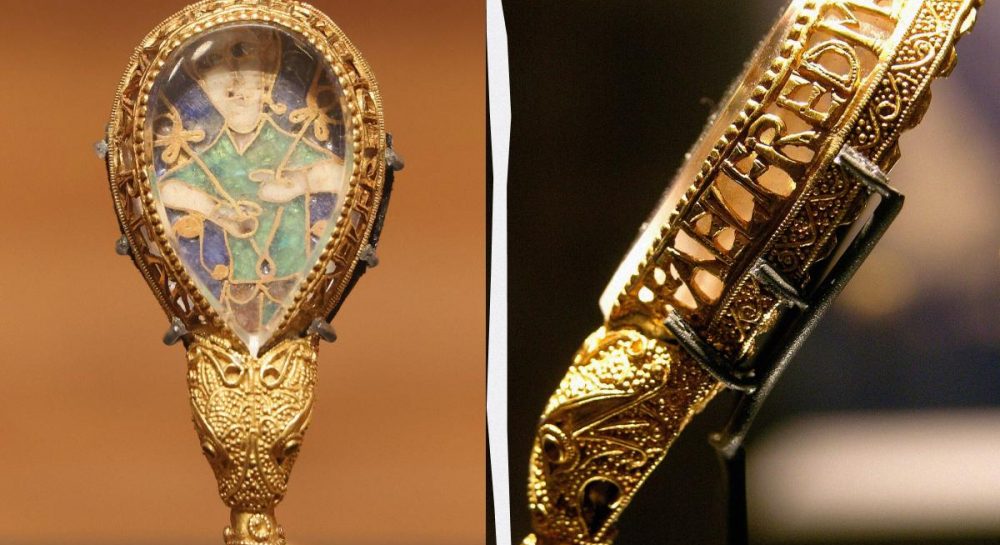
A Unique Archaeological Discovery: How a Farmer's Plow Uncovered a Royal English Secret
The remarkable story of finding the medieval Alfred Jewel highlights how agricultural labor can unexpectedly preserve world history.